The fifth episode of our series is here! In this episode, we will yet again learn a new tabla composition form, the vistar, as well as how it is related to the kaida. Get ready!
This article, including the inserted video(s), is not a substitute for the booklet “42 Lessons for the Tabla”. Please read the relevant parts of the booklet along with this article for a fuller understanding of the series “In the Footsteps of the Masters”.
Save the Sitar is a website dedicated to promoting and preserving Pakistan’s classical music. Join our growing community to help further our cause!
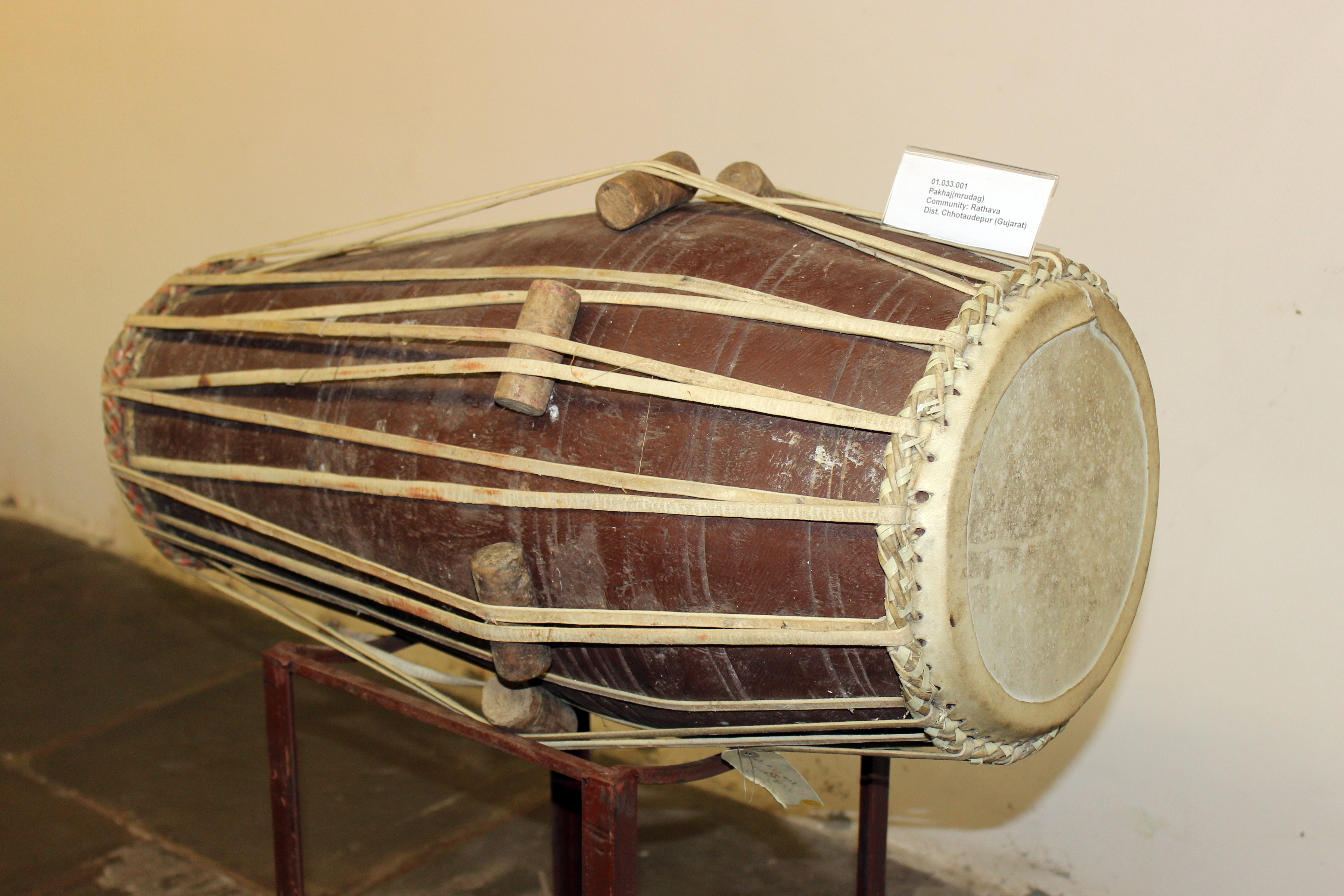
When it comes to Pakistani classical music, few mention the pakhavaj. Now, of course, all of you must be clamouring to know what exactly a pakhawaj is, but, patience, please. We need to rant first. So, coming back to our original topic, the tabla, the dhol, even the dholak; all of these are much more popular and famous than this poor, neglected instrument. Few play it, and it is often confused with the similiar-looking dhol. However, this oft-ignored, humble instrument is more than it appears.
Descended from the South Indian drum, the mridangam (quite a strange name, if we may say so ourselves, though we might be rather biased) , the pakhawaj, which is a double-sided drum, greatly resembles the tabla, which appears to be descended from it. In fact, according to legend, the tabla was first made when an enterprising musician cut a pakhawaj in half! Not only is it tuned like the tabla, it is also constructed very much like it, with its sides being made out of goat skin, while its body is made out of wood, which gives it a rather mellow sound.
The resemblance to the tabla is really uncanny, as it even shares most of the tabla’s bols (which resemble tabla strokes) with it! On the other hand, the pakhawaj is played in a quite distinct manner as opposed to the tabla, with players normallly keeping the drum in front of them in their lap. It is this strange mix of similiarities and differences which make the pakhawaj so appealing to us, as it is at once new and familiar. You can see a rather good comparison of the two below, if you are interested.
Welcome back to Save the Sitar with the fourth episode of In the Footsteps of the Masters! In this episode, we will be learning a new tabla composition form, the kaida, as well as how to play it. Remember, your feedback is always valued here at Save the Sitar!
This article, including the inserted video(s), is not a substitute for the booklet “42 Lessons for the Tabla”. Please read the relevant parts of the booklet along with this article for a fuller understanding of the series “In the Footsteps of the Masters”.
Save the Sitar is a website dedicated to promoting and preserving Pakistan’s classical music. Join our growing community to help further our cause!
Finally! We’re back with the third episode of In the Footsteps of the Masters! In this episode, we’ll dive deeper into the basics of tabla theory, and learn about taals, vibhags and other such terms. If it gets too boring, please remember that we always welcome comments and feedback at Save the Sitar!
This article, including the inserted video(s), is not a substitute for the booklet “42 Lessons for the Tabla”. Please read the relevant parts of the booklet along with this article for a fuller understanding of the series “In the Footsteps of the Masters”.
Save the Sitar is a website dedicated to promoting and preserving Pakistan’s classical music. Join our growing community to help further our cause!
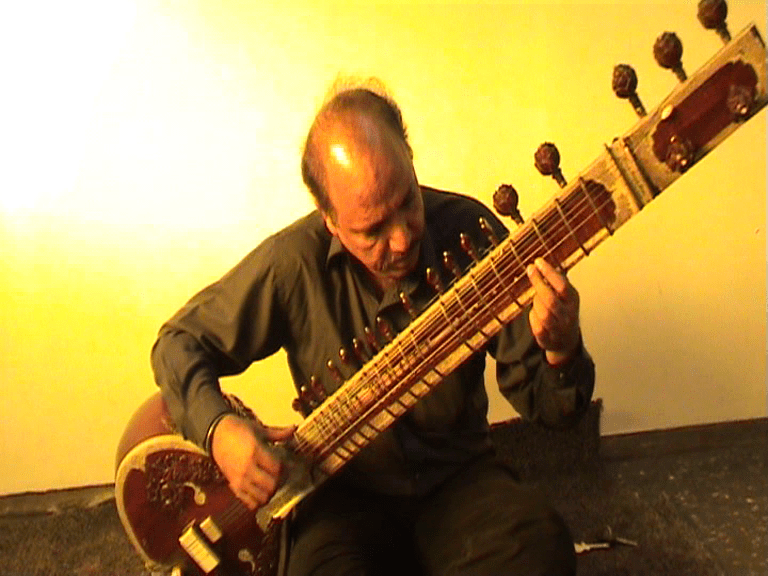
After the release of Ali Ayub’s amazing interviews, we thought it only natural to check which sitar-player was the favourite of our readers. Be sure to choose wisely!
Save the Sitar is a website dedicated to promoting and preserving Pakistan’s classical music. Join our growing community to help further our cause!

 Save the Sitar
